
Simple Strategies for Boosting Energy Levels Naturally
Simple Strategies for Boosting Energy Levels Naturally
Are you tired of feeling sluggish throughout the day? Do you dream of having more energy to tackle your tasks without reaching for caffeine or supplements? The good news is that there are simple, science-backed strategies you can implement today to boost your energy levels naturally. Read on to discover how small changes in your daily routine can lead to big improvements in your overall energy and well-being.
Why Relying on Supplements Isn't Always the Answer
When we feel tired, it's tempting to reach for an energy supplement or a quick fix. However, relying solely on supplements often overlooks the root causes of low energy. Instead of masking symptoms with pills and powders, let’s explore practical tips that address the underlying factors affecting your vitality.
Incorporate Short Bursts of Physical Activity
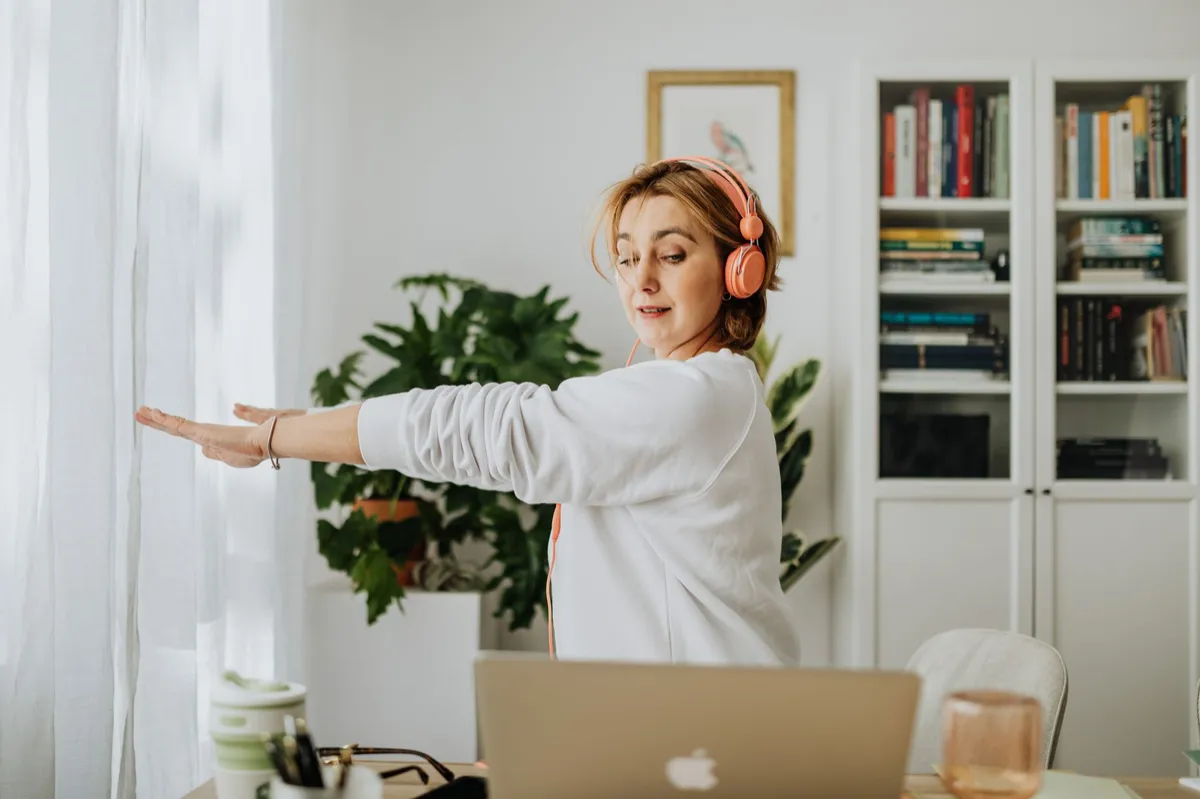
Physical activity is a powerful way to boost your energy levels. You don't need an intense workout session; short bursts of movement throughout the day can make all the difference. For example, take brisk walks during lunch breaks or stretch at your desk every hour.
- Walking: A 10-minute walk can increase blood flow and oxygen to your brain, enhancing alertness and focus.
- Desk Exercises: Simple stretches like neck rolls, shoulder shrugs, and wrist rotations help relieve tension and improve circulation.
Stay Hydrated for Better Energy Management
Dehydration can lead to fatigue, headaches, and reduced cognitive function. To maintain optimal energy levels, make sure you're drinking enough water throughout the day. Aim for at least 8 glasses of water daily, adjusting based on your activity level.
- Schedule Reminders: Set alarms or use apps to remind yourself to drink water regularly.
- Infused Water: Add slices of lemon, cucumber, or berries to your water for a refreshing taste and additional hydration benefits.
Prioritize Quality Sleep and Consistent Bedtimes
Sleep is crucial for energy management. Aim for 7-9 hours per night and stick to a consistent bedtime schedule to regulate your body's internal clock. A good sleep routine sets the stage for better mental clarity, mood stability, and physical performance.
- Wind Down: Establish a relaxing pre-sleep routine that includes reading or listening to calming music.
- Avoid Late-Night Screen Time: The blue light from screens can disrupt your sleep-wake cycle. Try to avoid electronic devices for at least an hour before bedtime.
Limits on Screen Time Before Bed
Sleep quality is often compromised by excessive screen time, especially in the hours leading up to bed. Reducing exposure to screens can lead to deeper sleep and more restorative rest.
- Use Night Mode: Most devices have a night mode that reduces blue light emission, helping you fall asleep faster.
- Switch to Books or Magazines: Opt for reading physical books or magazines instead of using e-readers before bed.
Making These Changes Stick
The key to sustainable energy improvement lies in consistency. Start small and gradually build up your habits over time. Remember, even tiny changes can lead to significant improvements in how you feel and perform daily.
Start today by choosing one or two tips that resonate with you most and work them into your routine. Your body will thank you!